
Beyond Possible: What We Took Away from the 2026 Invisalign Ortho Summit
By Steph T., VP of Education
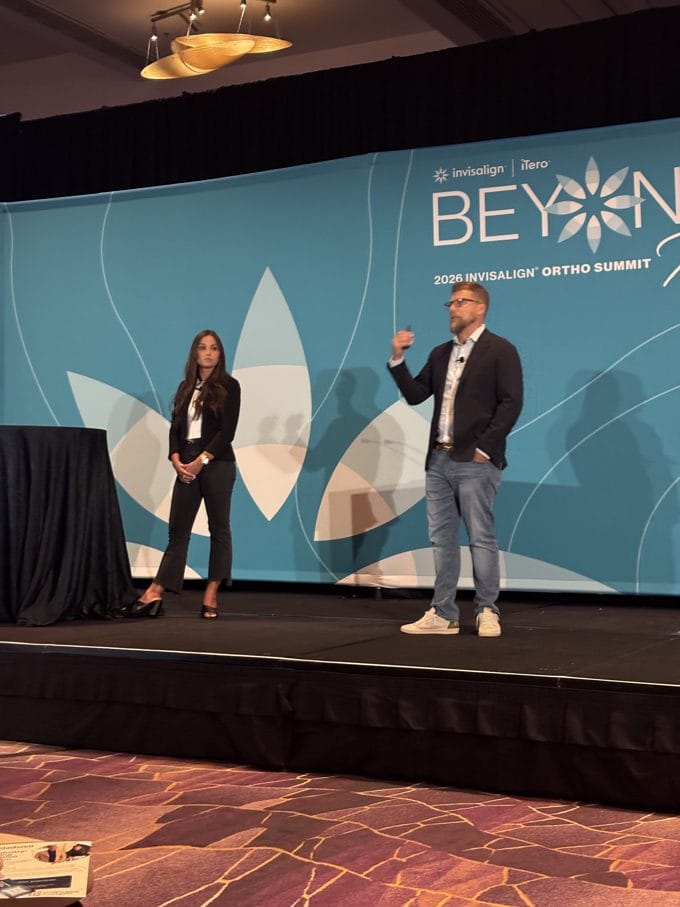
Las Vegas has a way of turning up the volume on everything, but even by Vegas standards, this year’s Invisalign Ortho Summit was loud in the best possible way.
“Beyond Possible” wasn’t just a theme printed on a step-and-repeat. It was the actual mood in the room. Practices comparing notes on scanner workflows in the hallway between sessions. Doctors trading numbers on case starts over coffee. Teams sitting shoulder to shoulder taking notes. Orthodontics is in one of those rare stretches where the technology, the data, and the appetite for change are all moving in the same direction at once, and as a marketer, I feel honored and excited to be a part of this industry.
Our team was lucky enough to be part of it. Dr. Jason Gladwell, Founder and CEO of Gladwell Practice Solutions, and Emily Abecasis, our Chief Sales and Operations Officer, took the stage as Align speakers to deliver a session called “Stop Chasing Cases: Build a Referral Engine That Runs While You Sleep.”
The potentially uncomfortable opening: most referral strategies haven’t changed in 50 years
Dr. G opened by putting the industry’s dirty little secret on the screen: the referral playbook most practices are running today is essentially the same one their predecessors ran in 1974. Yikes.
The room laughed, because everyone recognized it. Then Emily delivered the line that stopped the laughing: that’s not a referral strategy, that’s a hope strategy.
The problem with hope isn’t that it’s naive. It’s that it hands control of your growth to someone else. The point they were making is that if another practice, another relationship, or another gatekeeper controls where your referrals come from, they control how fast you grow. That’s a pretty scary position to build a business on, and most practices are in it without realizing it.
“You’ll never figure out GP referrals”
Dr. G also shared the advice he was given early in his career: don’t bother trying to crack general dentist referrals. It’s unknowable. GPs refer for years and then stop for no reason. Their families aren’t even your patients sometimes! (And believe me, the audience was nodding along.)
His response, and the pivot point of the whole session: you can’t predict referrals, but you can absolutely influence them.
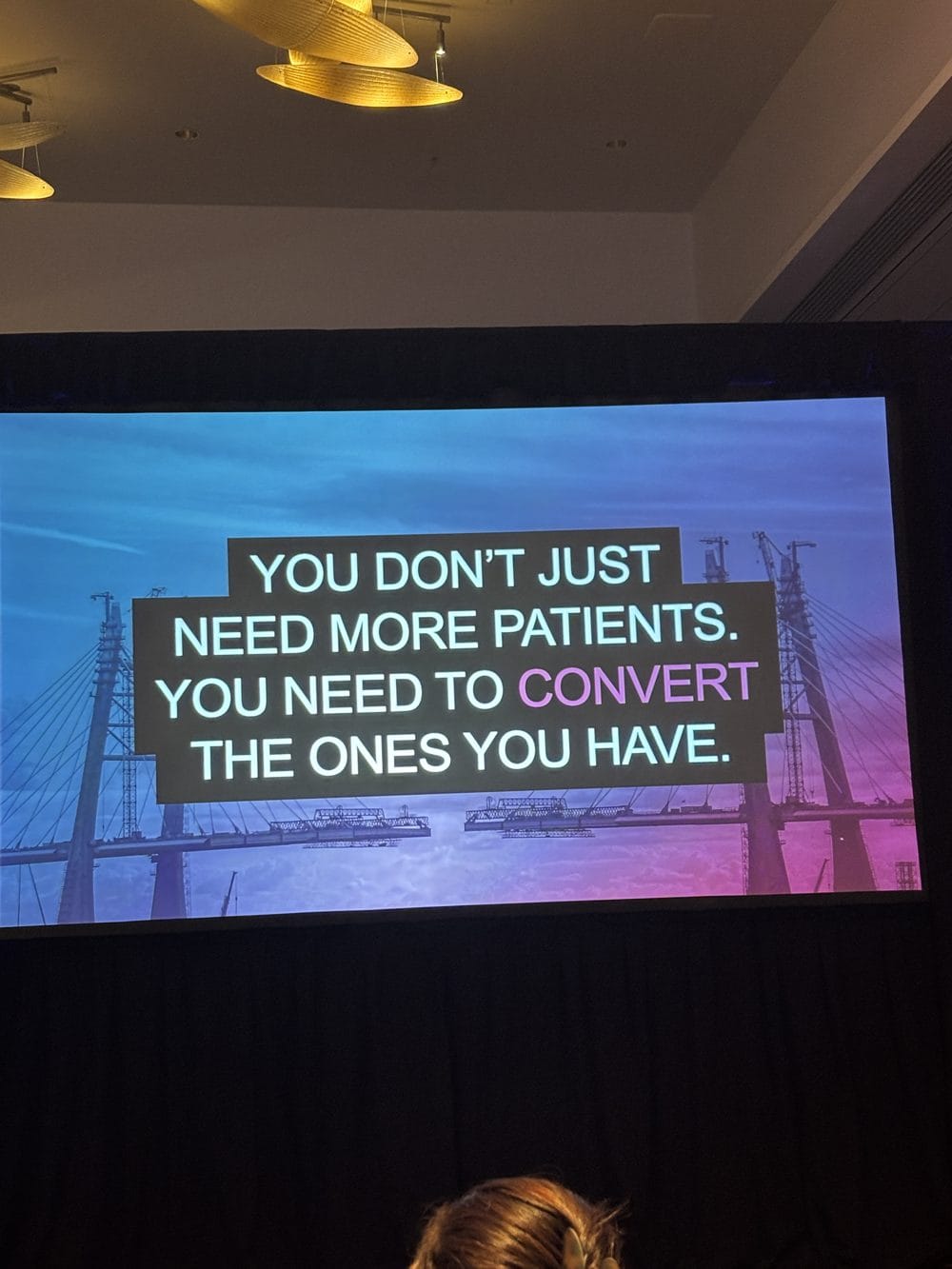
Referrals aren’t a strategy. They’re an ecosystem.
This was the conceptual heart of the talk, and the slide that had the most phones in the air from my vantage point.
Most practices treat “referrals” as a single lane: usually professional referrals from GPs, and usually maintained through relationship maintenance and goodwill. But a healthy practice actually has four interconnected sources feeding it, all sitting on top of a fifth thing that determines whether any of it converts:
- Professional referrals (your GP and specialist network)
- Patient referrals (the people already in your chairs)
- Digital referrals (how you’re found and evaluated online)
- Team-driven referrals (your staff, who you absolutely need to leverage)
- Your conversion system (the infrastructure underneath it all)
As Emily put it: most practices build one lane. The BEST build highways. (We love a metaphor at GPS.)
Transaction vs. partnership
The reframe that generated the most hallway conversation afterward was the shift from referral-as-transaction to referral-as-partnership. And Dr. G was candid about learning this one the hard way. In the era of DSO consolidation, he watched long-standing friendships stop producing referrals overnight, not because the relationship soured, but because the decision moved somewhere the friendship couldn’t reach.
So his practice stopped asking for referrals and started creating value: putting scanners in referring offices, collaborating on actual cases, building out partner programs, and investing in team education on both sides of the relationship.
Three practical moves he offered for anyone wanting to start Monday morning:
- Replace gifts with growth conversations. Show up with an idea, not a pastry box.
- Create one measurable win for the referring practice (something they can actually point to).
- Systemize the relationship so it survives a staffing change, a schedule crunch, or a bad quarter.
What happens when this works
They closed their session on the payoff: consistent referrals, strong partnerships, team alignment, and (the phrase that made it into a lot of people’s notes) predictable growth.
And then the closer: if you’re still chasing cases, you’re playing the wrong game.
One more thing…and it’s a big one!
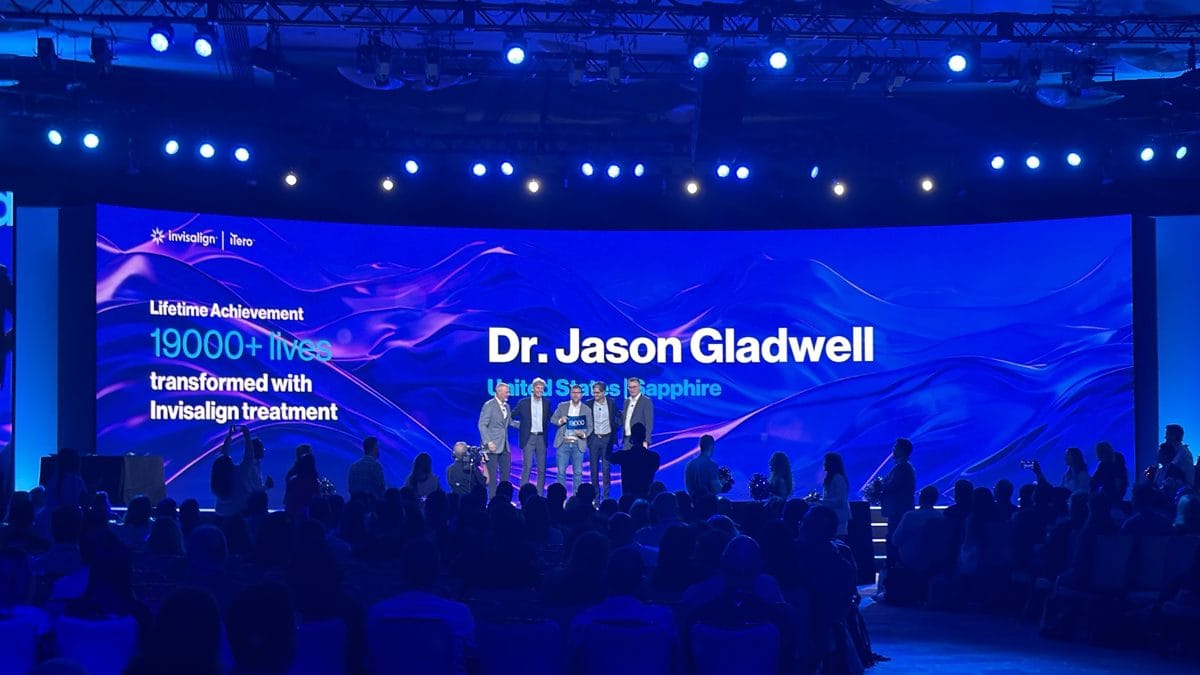
We’d have been proud of the session on its own. But Summit had one more moment in store for us.
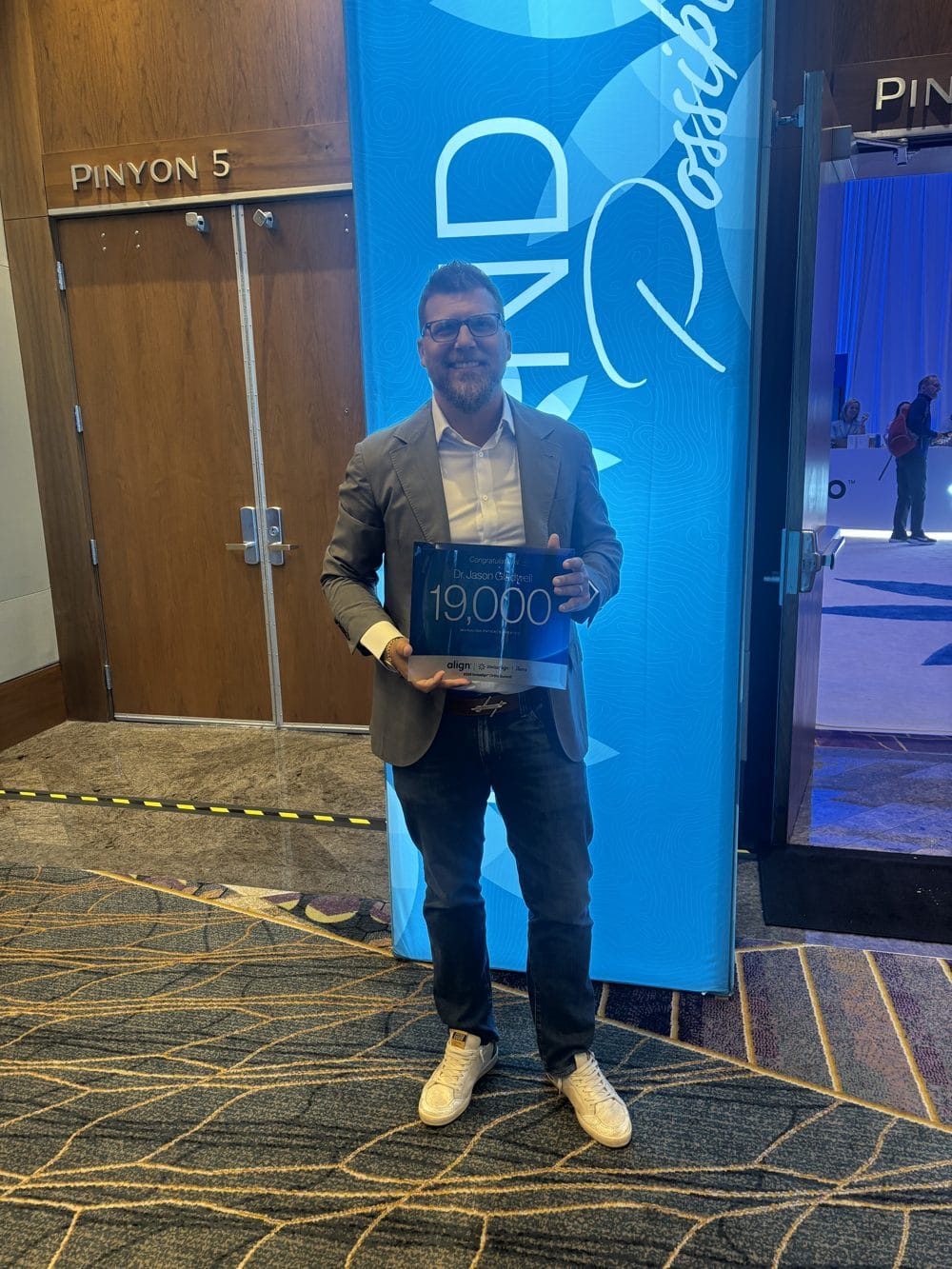
At the closing ceremony, Align recognized Dr. Gladwell with its top award for Invisalign case volume: 19,000 cases through Gladwell Orthodontics. Nineteen thousand smiles. It’s the kind of number that’s hard to actually picture until you try, and it represents years of exactly the systems-thinking Dr. G spent his session teaching. Watching him accept it in a room full of peers who understand what that number costs to build was a genuine highlight for our whole team.
Congratulations, Dr. Gladwell. Very well earned.
Until next year
What stuck with me most about Summit 2026 wasn’t any single session. It was how many doctors and team members left with something they were going to actually change on Monday. That’s rare for a conference, and it says something about where this industry is right now.
There’s real momentum out there. If you want to talk about how to build it, connect with Team GPS.