
Align Evolution Summit 2026: What I Took Away from Brazil
By Dr. Jason G., Founder & CEO, Gladwell Practice Solutions
It was a privilege to visit Brazil for the first time.
We were warmly welcomed by practice owners, doctors and teams in São Paulo, and I loved having the opportunity to spend time with so many people who are passionate about orthodontics and the future of their practices.
We also had the chance to explore some of the highlights of Rio for the rest of the week. A few personal highlights included the golden sands of Copacabana, the breathtaking views from Sugarloaf Mountain and, of course, the majestic Christ the Redeemer.
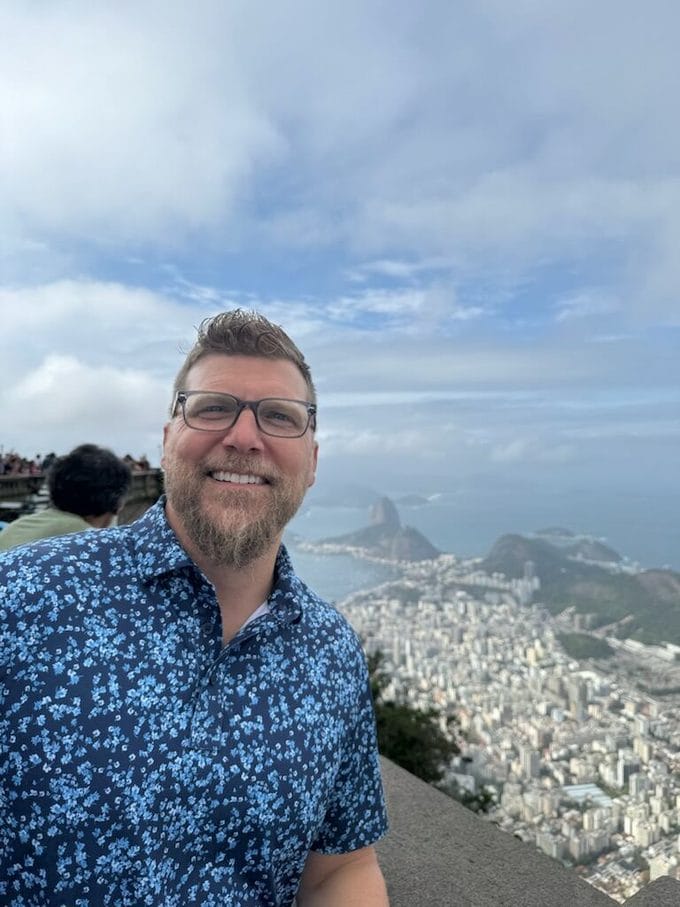
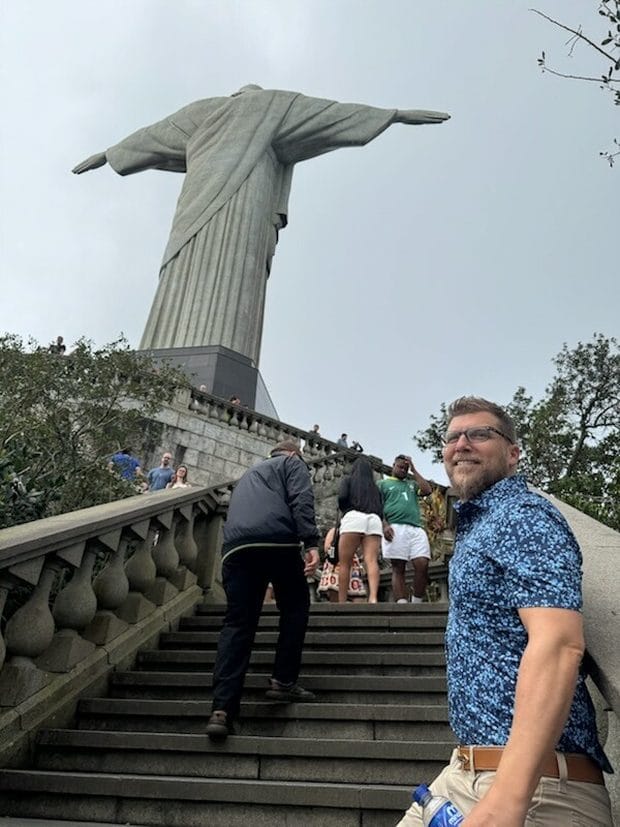
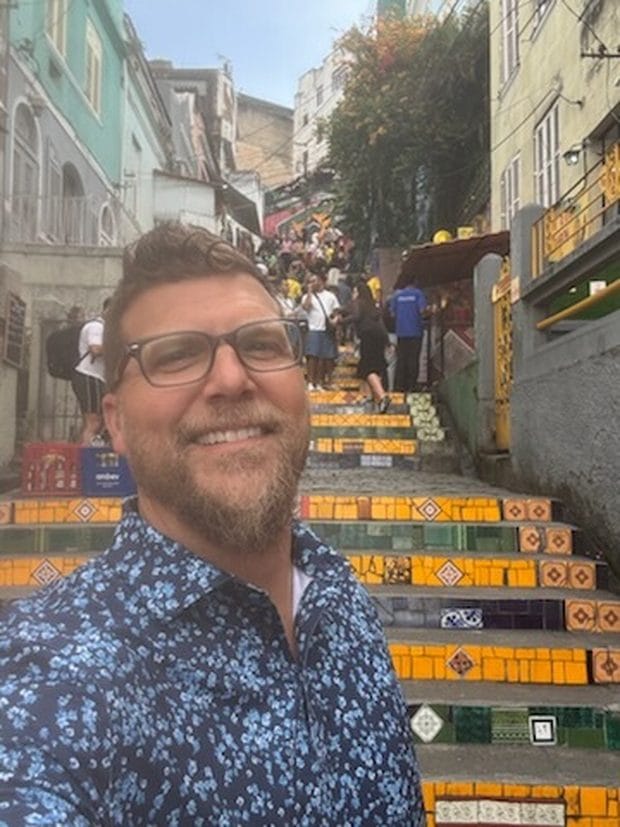
But as memorable as the sightseeing was, what I’ll take away most from Brazil is the people I met and the conversations we had.
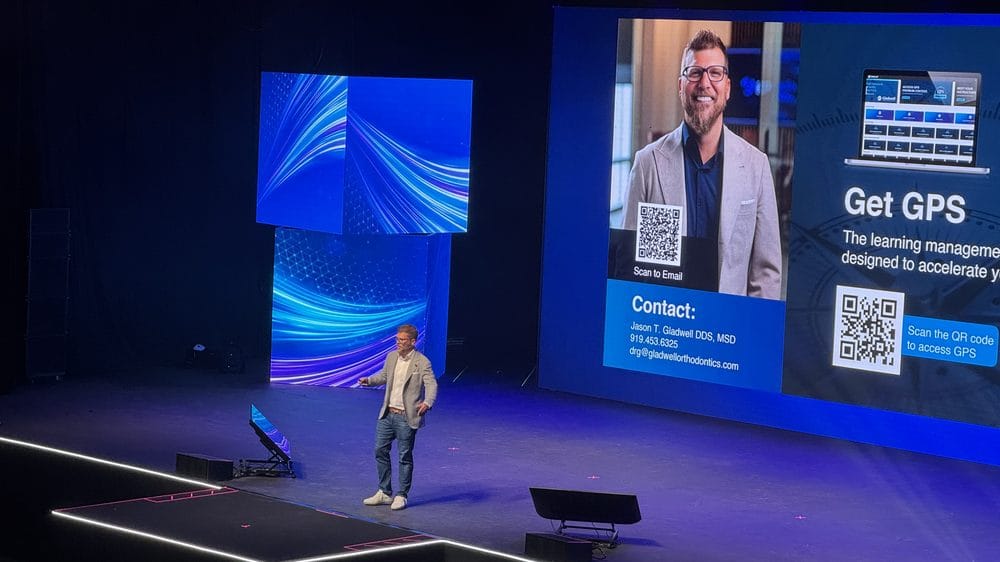
I had the opportunity to speak at the Align conference about DSP as a Driver of Practice Evolution. And although DSP was the subject of the presentation, the conversation became much bigger than a program.
Because one thing became very clear to me:
The market is the same. People are people.
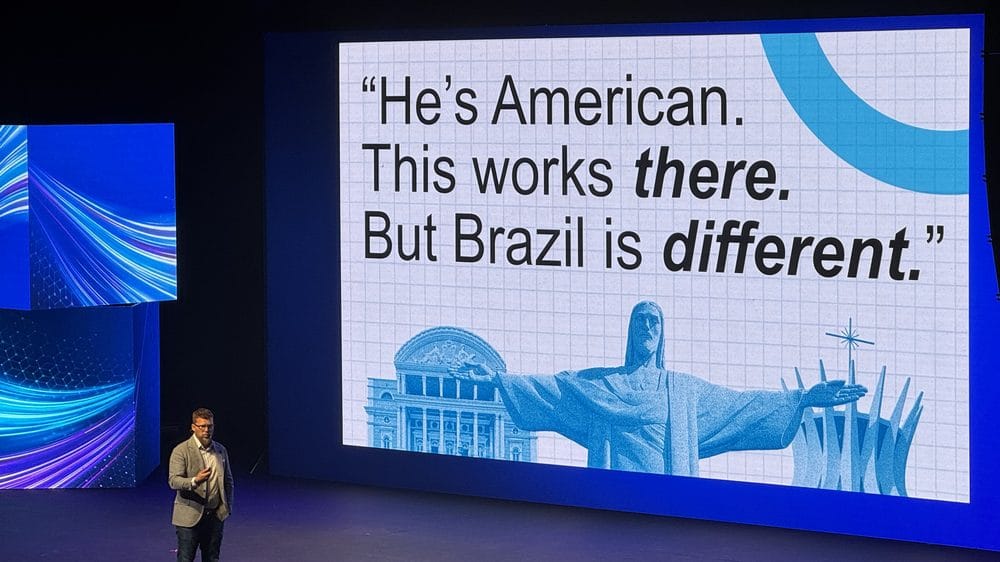
Confidence transfers. So does hesitation.
Patients everywhere want the same fundamental things: confidence, clarity, trust, convenience and a result they believe in.
They may not understand every detail of aligner treatment, but they absolutely understand whether their doctor and team believe in the recommendation.
If the doctor is confident but the treatment coordinator is hesitant, the patient feels it.
If the team understands Invisalign® but doesn’t know how to talk about the investment, the patient feels it.
That’s why Invisalign growth isn’t just a clinical challenge. It’s a team challenge.
The doctor cannot be the only believer in the room.
The patients you’re overlooking may already be sitting in your chairs
One of my biggest takeaways from the session was the idea that simple, moderate and relapse cases aren’t just clinical categories.
They’re growth categories.
Simple cases can build team confidence and create a lower-friction pathway into treatment.
Moderate cases can become the volume engine — particularly when practices stop defaulting to braces simply because they’re more familiar.
And relapse cases can reactivate patients who don’t want to “start over” with orthodontics.
That last group is particularly interesting.
When a patient says, “My teeth have shifted, but I don’t want braces again,” they aren’t necessarily rejecting orthodontics. They’re rejecting the idea of starting over.
That creates an opportunity for a different conversation around limited treatment and Touch Up.
And it made me think differently about practice growth more broadly.
Growth doesn’t always mean finding more patients. Sometimes it means getting better at recognizing the patients you already have.
DSP isn’t a discount. It’s a doorway.

This was the message I most wanted to leave with the audience.
DSP is not simply a way to make Invisalign cheaper.
It’s a doorway:
→ A doorway into appropriate treatment.
→ A doorway into Invisalign adoption.
→ A doorway back for relapse patients.
→ A doorway into Touch Up.
→ And, importantly, a doorway into a longer-term patient relationship.
That’s where retention comes in.
We spend so much time building trust, delivering a great result and creating a relationship with a patient — so why would that relationship end the moment active treatment does?
Retention isn’t the end of treatment. It’s the next relationship.
Vivera and a structured retention strategy can help practices move from reactive retainer replacement to proactive protection of the result and the investment the patient has already made.
The real opportunity is practice evolution
Ultimately, the question isn’t simply, “Do you offer DSP?”
It’s:
How are you using DSP to evolve the practice?
→ Are you identifying the simple cases you might have overlooked?
→ Are you converting appropriate moderate cases that might otherwise default to braces?
→ Are you reactivating relapse patients?
→ Is your whole team confident talking about Invisalign?
→ And are you building a relationship with patients that continues beyond active treatment?
That’s what I mean by practice evolution.
DSP isn’t the destination.
It’s the doorway.
What you build around it — the first appointment, team culture, clinical confidence, economics, patient recognition and retention — is what ultimately creates the opportunity for sustainable growth.
Brazil was a fantastic reminder that while every market has its own nuances, the fundamentals remain remarkably universal.
People are people. And great practice systems are built around understanding them.
Build the practice around the doorway
GPS Premium is where we teach the systems behind all of this — team confidence, case recognition, the first appointment, economics and retention.