
Stop Blaming Your Aligner Patients. Most Refinements Start in Your Chair.
By Steph T., VP of Education
When an Invisalign® case drags, everyone knows who to blame. The patient. They weren’t wearing their trays. They lost #9. They skipped a check.
Sometimes that’s true. But a lot of cases are set up to wobble long before the patient walks out the door. The scan happens with nothing left to wear. The patient gets attachments, elastics and a page of instructions in one visit and remembers half of it. The “final” check ends because everything looked fine.
None of that is a patient problem. It’s an appointment problem. And the people running those appointments are your clinical assistants.
In Invisalign Appointments: Steps, Systems, and Talk Tracks, Vicki Holt and Kelly Reavis walk clinical assistants through every visit in an aligner case, from delivery to retainers, and what each one has to accomplish. Here are three of the biggest ideas from the course.
1. Every Appointment Has One Job. Do That Job.
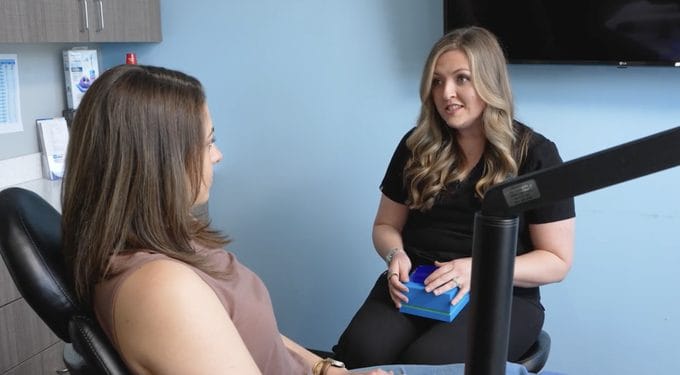
Take delivery. Attachments go on, instructions get reviewed and the patient leaves with 8–12 weeks of aligners. What doesn’t happen? Elastics. Even when the plan calls for them, they wait for a future visit. That’s on purpose. A patient who just got attachments bonded and a stack of trays handed to them doesn’t need a third new thing to remember. Information overload doesn’t look like confusion in the chair. It looks like a patient who nods, goes home and quietly gets it wrong.
The same discipline runs through every visit. Verify fit. Ask about wear time, specifically, not “How’s it going?” A patient who’s honest about 16 hours a day is a patient you can still help. A patient who’s never asked is a refinement waiting to happen.
The takeaway? A visit with one clear job is a visit the patient actually remembers.
2. The Refinement Scan Starts Two Visits Early
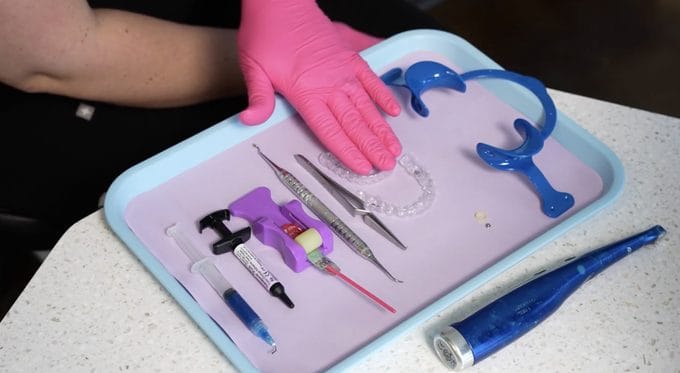
The fix happens at the check appointments before the scan. Count backward and deliver aligners in increments that leave the patient with 2 active and 4 passive trays for scan day. They keep wearing aligners full-time while the refinement is being made. No gap. No drift. No awkward “just hang tight” phone call.
Scan day has its own non-negotiables. Attachments stay on. The pan gets retaken only when enough time has passed since the last one. And the visit isn’t done when the scanner goes back in the holder. Photos and the pan go into the imaging software under the right time point (so the original records aren’t overwritten), doctor notes get added, the case gets logged where the team tracks it and the refinement delivery gets booked before the patient leaves.
The takeaway? Smooth refinements aren’t luck. They’re planned at the check before the scan.
3. “Looks Good” Isn’t a Finish Line
The last tray is in. The teeth look straight. The patient is ready to be done. It’s tempting to pop the attachments off and call it.
The course makes the case for treating the takedown like a checklist instead of a feeling. Is the patient actually happy with the result? Is the bite where it should be: Class I molars, Class I canines, ideal overbite and overjet? Are the contacts closed, and did you verify that with floss instead of your eyes?
Each answer points somewhere specific.
- Unhappy patient or a bite that needs work? That’s a refinement scan.
- Happy patient, good bite, a little spacing? There may be one more step to try before scanning again.
- Happy patient, good bite, closed contacts? Now the attachments come off and retainers get scanned.
Skipping that discipline is how practices end up with cases that relapse, open spaces that show up at the retainer visit and patients who wonder why their “finished” smile doesn’t look finished. And because retainers are a nighttime habit for life, the takedown is your last real chance to set that expectation clearly.
The takeaway? A case isn’t done when it looks done. It’s done when it passes the checklist.
Clear Aligners Aren’t Hands-Off. They’re Hands-On Earlier.
Patients will still lose trays. Some will still fudge their wear time. That’s fine. What matters is that your clinical team runs every appointment with a clear job, plans two steps ahead and doesn’t sign off on a case until it’s truly finished.
For practices growing their Invisalign business, that consistency matters. A great ClinCheck can map the movement. Only a confident clinical team can turn that plan into a patient who finishes on time, loves the result and sends the next one your way.
Invisalign isn’t less work than braces. It’s the same care, just front-loaded into the planning.