
The Financing Advantage Most GP Orthodontic Programs Are Missing
By Ella S., Account Manager
The Biggest Barrier to Treatment Often Isn’t Clinical.
When GP practices offering orthodontic treatment notice low conversion rates, the instinct is often to focus on marketing, patient education, or how treatment is being presented.
But that raises an uncomfortable question:
What if the biggest barrier isn’t awareness or interest at all?
What if it’s affordability?
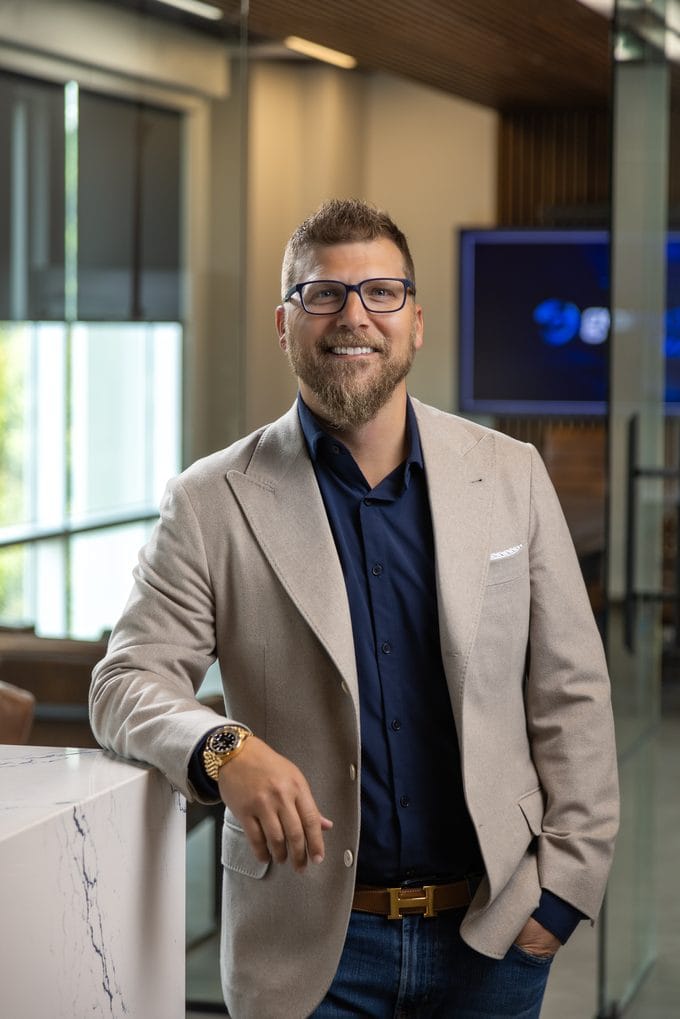
One of the most memorable insights shared during a recent conversation with Dr. Jason Gladwell centred on a figure he has carried throughout his career: the average patient has approximately $300 of disposable income available at any given time.
While the exact number may vary by patient or market, the underlying principle remains consistent. Most patients are not evaluating treatment through the lens of total cost. They are evaluating whether it fits within their monthly financial reality.
This perspective challenges a long-standing assumption in dentistry: that financing is an administrative step that follows treatment acceptance. In practice, it may be one of the most influential factors in whether acceptance happens at all.
Against that backdrop, a key question emerges for GP orthodontic programmes:
Are financial barriers being removed as effectively as they could be — or is the financing process itself limiting growth?
Key Takeaway 1: Patients Don’t Experience Treatment Costs the Way Practices Do
Practices often focus on treatment fees, while patients focus on affordability.
This distinction matters more than many realize.
The conversation highlighted how easy it can be for practices to unintentionally create barriers by requiring large upfront payments that exceed what many patients feel comfortable committing to.
When viewed through the lens of the “$300 problem”, financing becomes less about collecting payment and more about understanding how patients make financial decisions.
The question shifts from “What does treatment cost?” to “What feels manageable for this patient?”
Key Takeaway 2: Flexibility Is a Competitive Advantage
One of the strongest themes throughout the discussion was flexibility.
Low down payments, customized payment terms, and financing options tailored to individual circumstances were highlighted as ways to remove unnecessary friction from the patient journey so the treatment feels achievable.
In an increasingly competitive market, practices that make it easier for patients to start treatment will gain a significant advantage over those relying on more rigid financial structures.
Key Takeaway 3: The Whole Team Influences Case Acceptance
Successful orthodontic programs are rarely driven by doctors or treatment coordinators alone.
Every team member plays a role in shaping patient confidence and treatment decisions.
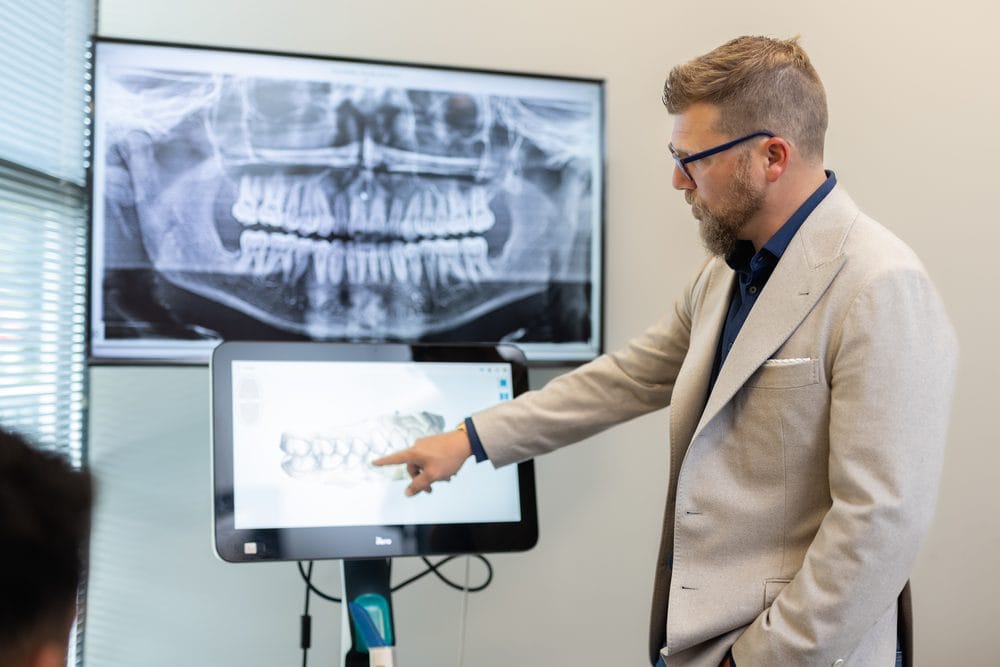
Whether it’s a hygienist identifying opportunities, a clinician discussing treatment options, or a coordinator reviewing financing, consistency across the patient journey matters.
When teams understand both the clinical value of treatment and the financial pathways available to patients, conversations become more effective and patient-centred.
The Bottom Line
Many practices invest heavily in generating demand through marketing, education, and awareness. But demand alone doesn’t drive growth — patients still need a clear, affordable pathway to say yes.
The real question is simple: if a patient decides today, how easy is it for them to start treatment?
Financing is often treated as an administrative step after case acceptance, yet it can be one of the biggest drivers of whether acceptance happens at all. Small changes — to down payments, payment structures, or flexibility — can have a measurable impact on conversion.
Rather than assuming current systems are working, practices that test and track the impact of financing on case acceptance are better positioned to unlock growth already sitting in the chair.
Ultimately, growth doesn’t always come from more patients. Often, it comes from making it easier for the right patients to move forward.
Catching up?
You can watch the full webinar recording with Dr. Jason Gladwell right here to dive deeper into third-party financing, Dr. Gladwell’s HSA/FSA same-day start strategy, how to track whether your adjustments are actually working, and so much more: