
New Course Launch: Evaluating Real Estate Investments
A practical framework for practice owners considering commercial real estate
By Steph T., VP of Education
For many practice owners, buying the building they work in can feel like a natural next step. Instead of paying rent to a landlord, you’re investing in an asset you control, building equity over time, and potentially creating another source of long-term wealth.
But buying real estate is a significant financial decision, and the purchase price is only the beginning.
How do you know whether a building actually makes sense for your practice? What should you be looking at beyond the numbers presented by a broker? And how do you evaluate the deal when the building is both an investment and the place where your practice operates?
Our newest GPS Premium course, Evaluating Real Estate Investments, is designed to help practice owners answer those questions with a clear, practical framework.
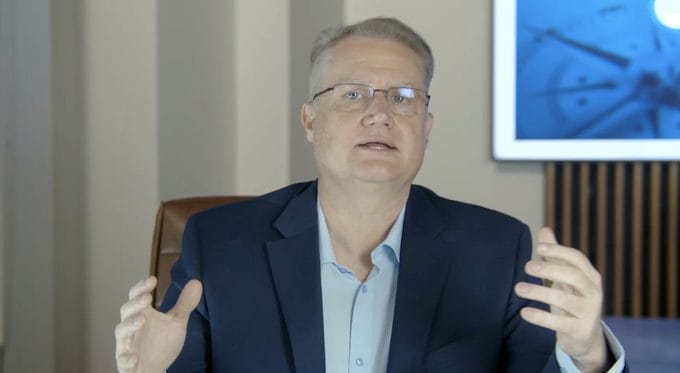
Led by Jonathan Hoy, the course takes learners through the fundamentals of evaluating a commercial real estate investment, using a medical or dental office building as the working example. Rather than focusing on theory, it gives practice owners a structured way to look at the numbers, understand the risks, and pressure-test a potential investment before making a decision.
Here are three of the key ideas explored in the course.
1. Look Beyond the Purchase Price
A $2.5 million building may sound like a $2.5 million investment, but the actual capital required can be significantly higher once you account for closing costs, improvements, operating reserves, capital reserves, and other costs associated with getting the property purchased and operating.
That distinction matters because the question isn’t simply whether you can afford the purchase price. You need to understand what the entire project will require — and whether you can fund it without putting unnecessary pressure on the practice.
The course walks through a real-world medical office example to demonstrate how those costs come together and introduces a practical way to map the money going into the deal against where that money is coming from.
It’s a simple shift in perspective, but an important one: before you decide whether a property is a good investment, you need to know what you’re actually investing.
2. Understand What the Building Is Really Producing
Once you understand the capital required, the next question is whether the building can support the investment.
That means looking beyond rent and asking what the property is actually producing after operating expenses and debt. The course introduces the core financial measures practice owners need to understand, including net operating income, debt service coverage ratio, and cash-on-cash return.
But there is an additional layer for practice owners that makes this decision different from a typical real estate investment.
When your practice owns the building, you are both the property owner and the tenant. The rent paid by the practice isn’t simply disappearing as an expense; it is part of a broader financial picture that includes the building, the practice, equity being built through ownership, and the potential long-term benefits of holding the property.
That means a building shouldn’t necessarily be evaluated in isolation.
The course explores how to look at both sides of the equation so practice owners can understand what the property is doing as an investment, while also considering what ownership means for the practice itself.
3. Don’t Assume the Base Case Is the Real Case
A real estate investment can look very different depending on the assumptions behind the numbers.
What happens if rents are lower than expected? What if the building experiences more vacancy? What happens when expenses increase or interest rates change?
These aren’t necessarily reasons to walk away from a deal. They are reasons to understand how dependent the deal is on everything going according to plan.
Evaluating Real Estate Investments introduces learners to sensitivity analysis and shows them how to test a potential investment under different scenarios. Rather than simply accepting the assumptions presented to them, practice owners learn how to challenge those assumptions and understand where the real vulnerabilities in a deal may sit.
That is an important shift in mindset.
You don’t need to predict exactly what will happen over the next ten years. You do need to understand what happens to your investment if the assumptions change.
A Better Way to Evaluate the Decision
At the heart of Evaluating Real Estate Investments is a simple idea: practice owners need a consistent way to evaluate a property before deciding whether it belongs in their long-term plans.
The course brings the different pieces together into a practical seven-question framework that can be used to evaluate a potential investment from multiple angles — from the initial capital required through to cash flow, risk, tax considerations, and the longer-term ownership strategy.
It’s designed to help practice owners move beyond “I like the building” or “the numbers look good” and instead ask the questions that actually determine whether the investment makes sense.
Because the right real estate decision isn’t simply about finding a good building.
It’s about understanding the deal, challenging the assumptions, and knowing what you need to be confident before you move forward.
Evaluating Real Estate Investments is now available exclusively on GPS Premium.