
3 Strategic Takeaways from AAO 2026 (And What They Mean for Growth-Focused Practices)
By Ellie B., VP of Marketing
There’s always something energizing about being in a room filled with people shaping the future of orthodontics, and AAO 2026 absolutely delivered.
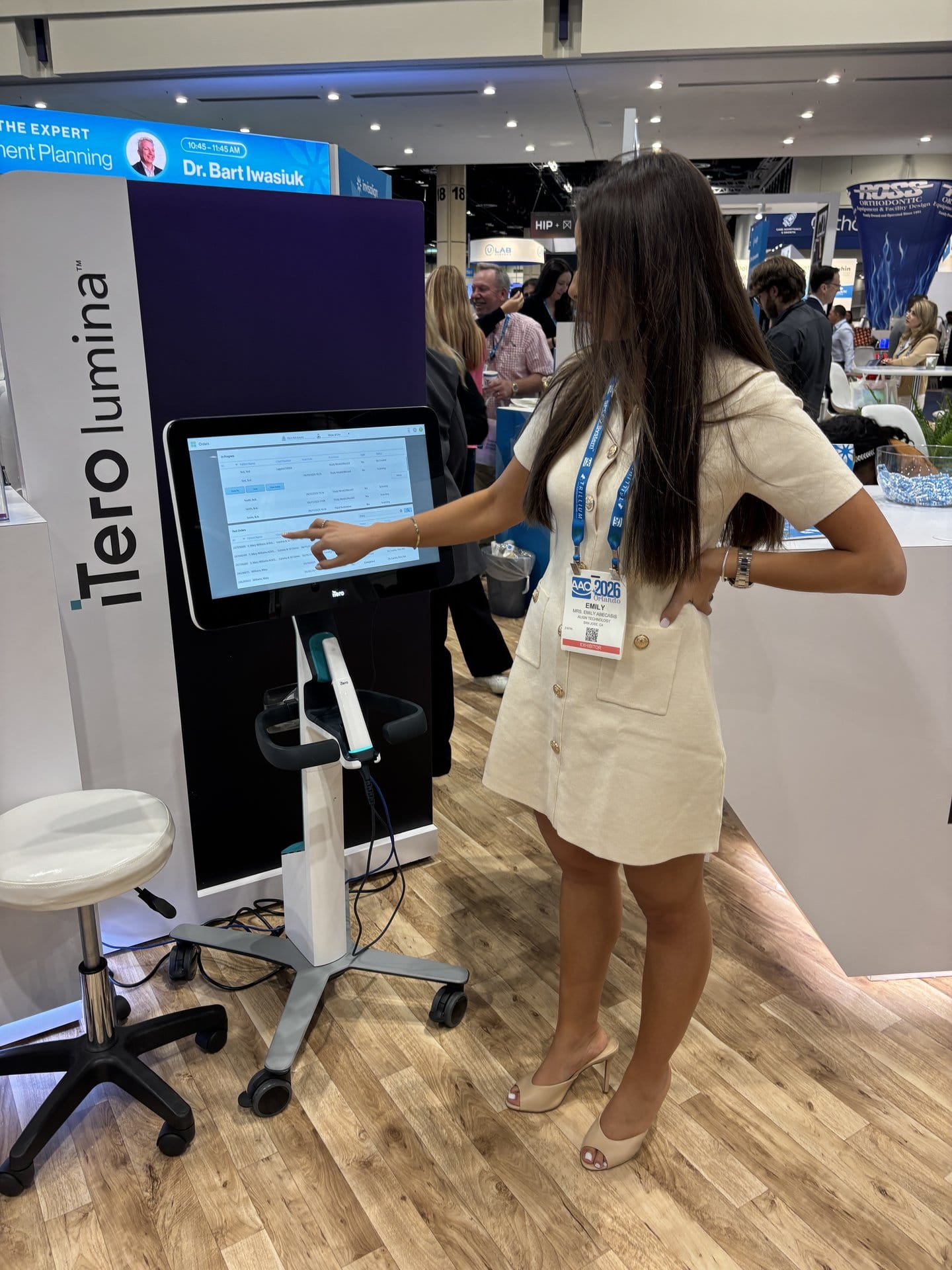
Our team had an incredible time representing GPS, connecting with practices, industry leaders, partners, and so many smart, growth-minded professionals across the orthodontic space. One of my personal highlights was spending time at the Align booth, where our very own Emily Abecasis was guest speaking about iTero and the role digital technology continues to play in the modern patient journey.
Beyond the conversations, the event made one thing abundantly clear: orthodontics is evolving quickly, and the practices that thrive over the next several years will be the ones that adapt strategically, not reactively.
Here are my three biggest takeaways from AAO 2026.
1. Digital Workflow Has Moved from Innovation to Expectation
Not long ago, digital workflow was a major differentiator.
Having an intraoral scanner, embracing digital treatment planning, or talking about practice technology modernization positioned you as forward-thinking.
That has changed.
This year’s AAO programming heavily emphasized AI, 3D printing, digital workflow, and broader orthodontic practice technology transformation as core educational themes. That’s a strong signal that these capabilities are no longer viewed as cutting-edge extras: they’re becoming operational expectations.
As a marketer, I care about this tremendously because it has real implications for the types of messaging and creative that will resonate best with my audience. If every practice is saying: “We use digital scanning” or “We offer advanced technology,” those messages stop creating distinction. Technology is becoming table stakes.
The strategic shift for practices is: stop leading with the existence of technology and start leading with what that technology enables.
Patients care less about the scanner itself and more about convenience, confidence, comfort, and most importantly, outcomes.
At GPS, this has been a consistent belief in how we think about growth strategy: technology is an amplifier, but systems are what drive case acceptance, team confidence, and patient conversion. Digital tools absolutely matter, but they are no longer the story by themselves.
2. AI Is Moving from Buzzword to Business Infrastructure
AI was everywhere at AAO this year, to the surprise of no one! AI is increasingly being discussed as a practical operational tool inside orthodontic workflows, from imaging and planning to communication efficiencies and practice operations. But for the past couple of years, “AI-powered” has become a catch-all positioning phrase across healthcare marketing. Now, though, audiences are more educated. They know about AI, they might even be fatigued from it! That means vague AI messaging will likely lose effectiveness.
For growth-focused practices, this creates a broader strategic imperative: trend adoption must be paired with practical implementation.
In other words, I’m advising my team to stay away from the flashiest language, and instead focus on more human-centric value props like patient experience, testimonial content, and reviews.
3. Workforce Economics Are Becoming a Major Growth Constraint
One of the most striking data points shared at AAO was the average orthodontic resident graduating with approximately $567,000 in student loan debt. That statistic alone says a lot.
Layer in continued labor shortages and a larger business reality comes into focus: Growth is no longer just about demand generation. It’s about operational capacity.
For me and my team, we are typically laser-focused on patient acquisition: How do we generate more leads? How do we increase starts?
But post-AAO, I am thinking a lot about the intersection between talent strategy and patient acquisition. (And this is where a close working relationship with your operational counterparts is so crucial — thank you, Emily!)
If hiring remains difficult and labor costs continue to rise, practices may need more intentional communication strategies, stronger conversion systems, and smarter operational workflows…and those strategies need to be in lockstep with increasing marketing budgets.
At GPS, this is exactly why we focus so heavily on team alignment, systems, patient communication, and conversion frameworks. Sustainable growth requires more than attracting attention. It requires operational readiness behind the scenes.
Final Thought: The Competitive Advantage Is Shifting
If AAO 2026 reinforced one broader theme for me, it’s this: The next era of orthodontic growth won’t be defined simply by who adopts the newest tools first. It will be defined by who builds the strongest systems around them.
Technology is becoming expected. AI is becoming operational. Talent constraints are becoming structural. Which means competitive advantage is shifting toward execution. (And as a performance-driven marketer, I love that!)
AAO 2026 made that future feel very real. And honestly, it’s an exciting one.
We’re grateful to everyone who spent time with the GPS team at the conference, stopped by to say hello, and shared ideas with us. Events like this are a reminder of how much innovation and opportunity still exist in this space.
And if this year’s conversations were any indication, the most strategic growth years in orthodontics may still be ahead.